Sumber ilustrasi: Pixabay
21 April 2026 10.20 WIB – Umum
_________________________________________________________________________________________________________________________________________________
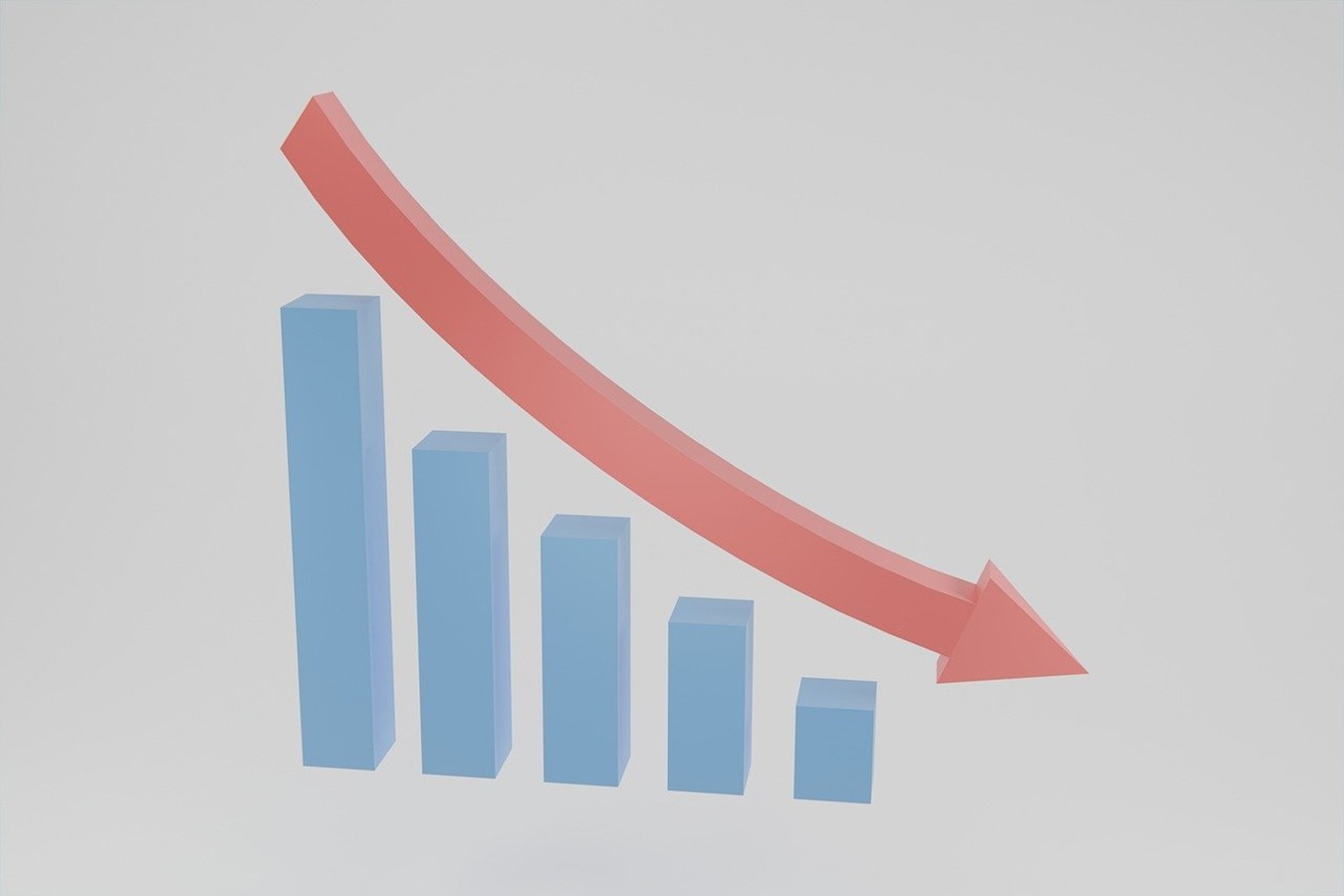
Desanomia [21.04.2026] Right now, what is being felt by market participants and all stakeholders of the exchange is a tendency in which the market is moving from an all-time high (ATH) position toward a weakening that approaches an all-time low (ATL). Is this a normal occurrence? Or is it inseparable from the accumulation of ongoing economic pressures, particularly the narrowing of fiscal capacity, external pressures arising from geopolitics, and weakening governance (as reflected in the assessments of rating agencies)? In this context, the trading floor does not stand alone as a speculative arena, but can function as a mirror in capturing structural imbalances developing beneath the surface.
In the ATH phase, the market reflects optimism toward a combination of macroeconomic stability, relatively ample fiscal space, and expectations that public policy can sustain growth continuity. Under such conditions, risk is perceived as manageable, and market participants are willing to assign high valuations to assets. However, this condition gradually shifts as fiscal pressures begin to emerge—marked by rising debt interest burdens, rigid expenditures, and increasing reliance on optimistic assumptions that are becoming harder to sustain.
This shift becomes more significant when external factors reinforce internal pressures. Rising oil prices due to geopolitical conflict, currency depreciation, and increasing global uncertainty simultaneously constrain policy space. In such a situation, the state faces a dilemma: maintaining price stability through subsidies at the cost of fiscal expansion, or undertaking adjustments that risk suppressing purchasing power and social stability. This dilemma affects not only policy decisions but also market perceptions regarding the state’s ability to manage increasingly sharp trade-offs.
The market responds to these conditions through a process of re-pricing that is not always abrupt, but tends to be gradual and consistent. Declines in stock indices, rising bond yields, and pressure on the exchange rate indicate that market participants are reassessing risk—not merely cyclical risk, but risk arising from structural limitations. In this framework, the movement from ATH toward ATL reflects a shift in expectations from sustainability toward vulnerability.
Furthermore, pressure on the real sector—which had previously been contained—begins to enter market calculations. Slowing credit demand, increasing undisbursed loans, and a tendency among businesses to delay expansion indicate that economic activity is turning defensive. As the real sector loses momentum, growth projections decline, directly affecting asset valuations in the market.
At the same time, the dimension of trust becomes increasingly critical. As discussed, when policy becomes less consistent and fiscal space narrows, public and market confidence begins to erode. Financial markets are highly sensitive to such changes, as trust is one of the fundamental bases in asset pricing. Thus, market weakening is not merely a response to economic data, but also to declining policy credibility and the direction of economic management.
In a broader framework, the movement from ATH to ATL reflects a transformation in the function of the system itself—from a system previously capable of generating growth and confidence, to one increasingly focused on maintaining stability amid constraints. This shift aligns with earlier analysis that when fiscal capacity declines and external pressures intensify, the system tends to move from a logic of expansion toward a logic of survival.
Thus, the trading floor functions as an early indicator of this transformation. The decline in asset prices is not the cause, but the consequence of a deeper process—namely, the imbalance between policy demands, fiscal capacity, and external pressures that can no longer be easily aligned. The market merely accelerates and visualizes this transformation in the form of prices.
What do you think? (njd)
Note: This article was made as part of a dedicated effort to bring everyday life around us to our minds.