Sumber ilustrasi: Unsplash
22 April 2026 11.45 WIB – Umum
_________________________________________________________________________________________________________________________________________________
Desanomia [22.04.2026] People in the past held the view that the mind ought to be the master of the body (the physical). Is this view still relevant in today’s reality? How should we understand such a perspective?
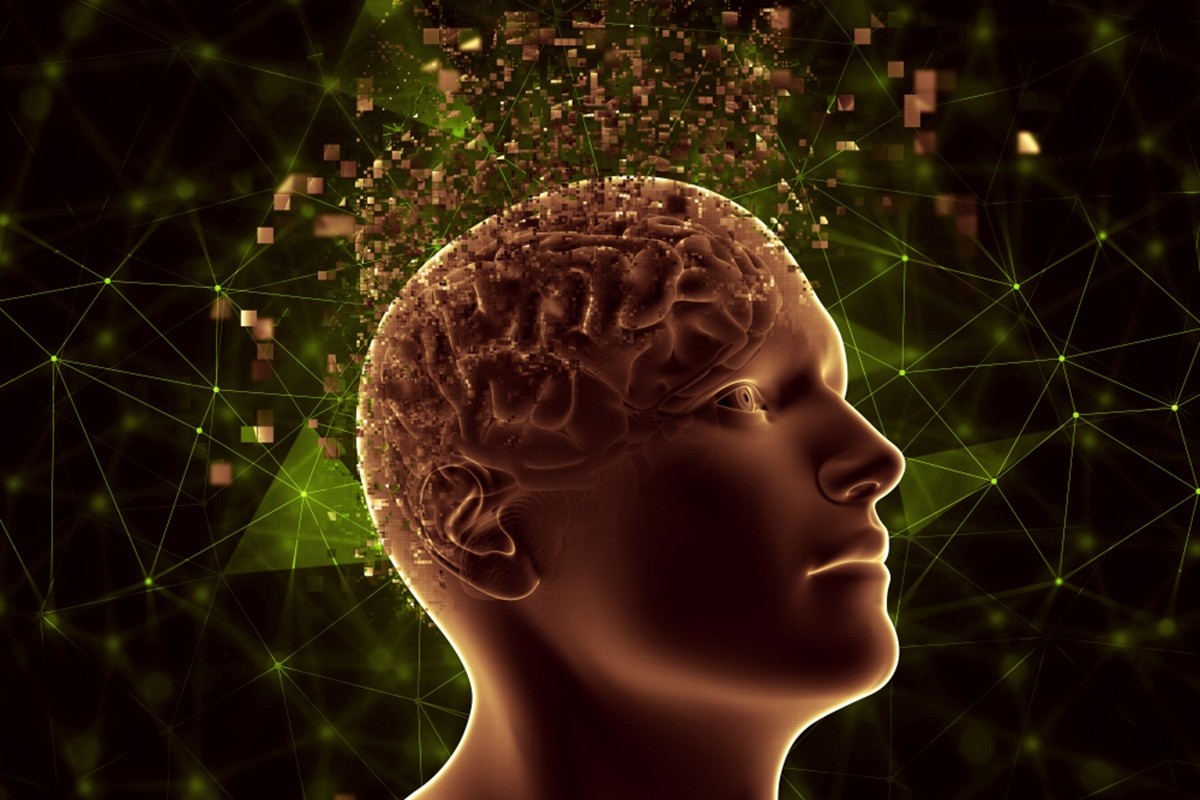
The statement that the mind is the master of the body for us reflects a belief that within the human being there exists a control center that is inward or mental in nature. The mind understood as the source of consciousness, will, and judgment, while the body serves as the means through which that will is realized. In this sense, the body does not stand independently, but follows the direction determined by the mind.
This meaning appears clearly in everyday experience. Every action we take, be it walking, speaking, or choosing, begins with an internal decision. Before the body moves, there is an intention or idea that precedes it. This creates the impression that the mind holds a higher position as the director, while the body carries out the commands that have been formulated.
On the other hand, this expression also contains a normative dimension about how humans ought to live. To become a “master” over the body means being able to control physical impulses and spontaneous emotions. Desires, passions, and impulses are seen as things that need to be guided so that they do not dominate action. The mind, in this case, functions as a regulator that maintains balance in life.
It is easy to understand that self-control becomes the core of this view. A person is considered mature when they are not entirely subject to bodily impulses. They are able to restrain, delay, or even reject certain desires for the sake of higher goals. So the mind does not merely command, but also evaluates what is worthy of being realized and what must be limited.
However, we know that this relationship does not always run in one direction. In many cases, the body appears more dominant than the mind. Hunger, fatigue, or strong emotional drives can blur rational judgment. In such situations, the mind follows the condition of the body, rather than the other way around. This shows that the claim of the mind’s dominance is neither entirely true nor fully achievable.
Furthermore, what we call the mind is often influenced by the condition of the body itself. Physical states such as health, hormones, or even the sensory environment can shape how a person thinks and feels. The mind is not completely autonomous, but is closely intertwined with the bodily conditions that sustain it. Many studies support this view.
From this, it becomes necessary to refine the earlier perspective: what is more plausible is an understanding of the relationship between mind and body as reciprocal. The mind can direct the body, but the body also constrains and influences the mind. The two cannot be absolutely separated, but instead co-constitute one another within the unity of human experience.
The view that the mind is the master of the body can be read as an ideal or aspiration, rather than an absolute fact. It reflects a strong desire that human beings are capable of governing themselves consciously and not being ruled by unregulated impulses. Yet in reality, such mastery is always limited and dialectical.
What do you think? (njd)
Note: This article was made as part of a dedicated effort to bring everyday life around us to our minds.