Sumber ilustrasi: Pixabay
11 April 2026 12.45 WIB – Umum
_________________________________________________________________________________________________________________________________________________
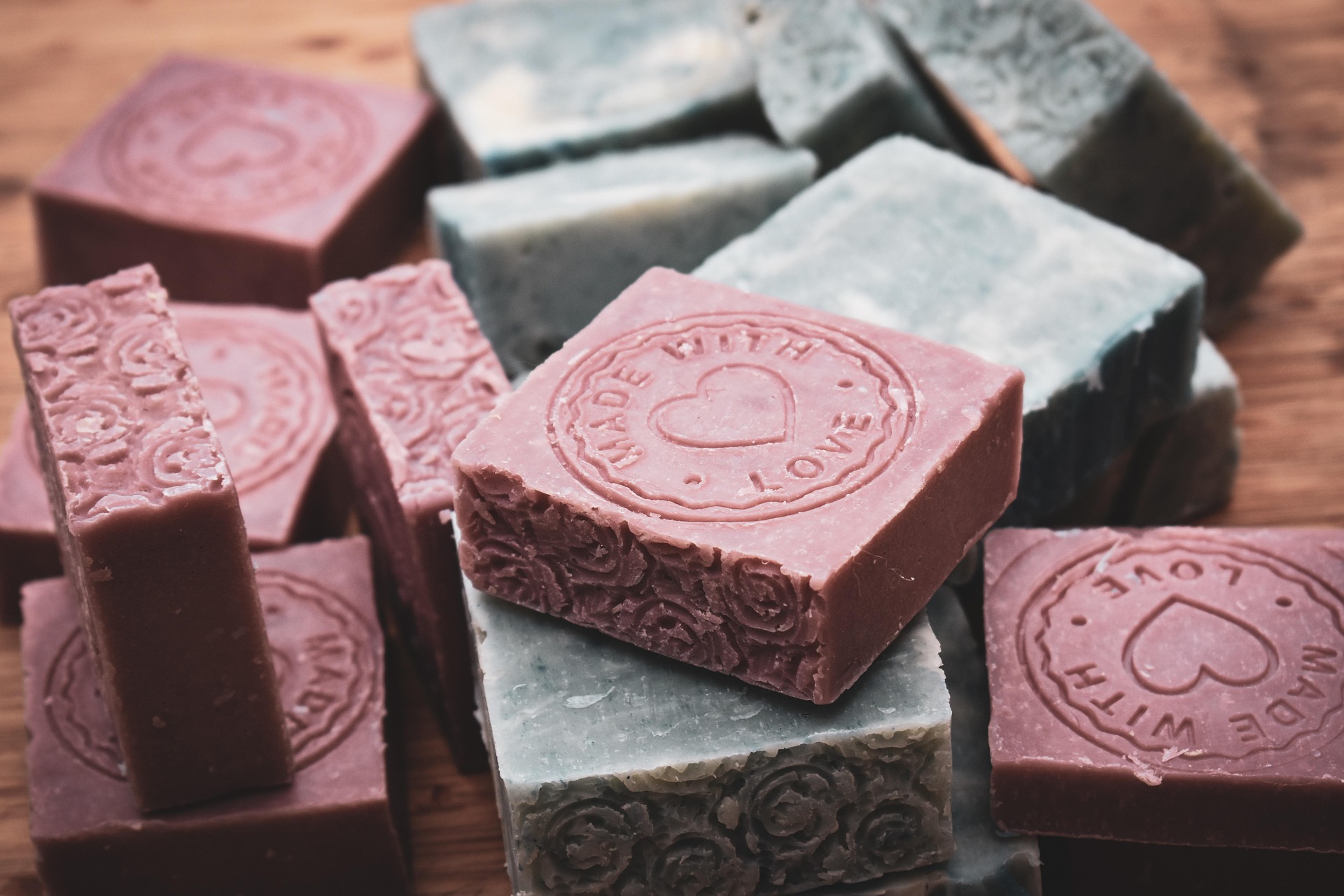
Desanomia [11.04.2026] Soap, in its most basic sense, is a cleaning substance used to remove dirt from the body and objects. If we become more fully present in our daily experience, it becomes clear that soap appears not only as a substance that acts chemically, but also as part of how human beings understand cleanliness. Soap, which seems very simple, actually contains traces of broader changes in how human life is viewed.
In the past, soap was closer to the idea of general utility. A single type of soap could be used for various purposes: cleaning the body, washing clothes, and even cleaning household items. Cleanliness was understood more holistically, without many distinctions. What mattered was the end result, that is, being clean, not the differences in methods or tools used to achieve it.
This reality shows that in the past, life was lived with functional simplicity. The body, clothing, and objects were not, or at least not yet, separated into strict categories. Soap became a medium that unified diverse needs. There weren’t many questions about whether one part of the body required different treatment than another. Needs were considered sufficiently met with a single resource.
Today, that situation has changed drastically. Soap comes in a wide variety of forms. Body soap is distinct from face soap, laundry soap differs from dish soap, and even within the same category, there are more specific subdivisions. Each type of soap is designed for a particular function, as if each aspect of life had different requirements and couldn’t be unified.
This shift reflects an increasingly difference-oriented way of seeing things. The body is no longer understood as a simple unit. The face is considered to have different needs than other parts of the body. Certain garments require special treatment. Every object is understood in greater detail, and small differences become reasons for creating different tools.
Attention to detail increases, so that cleaning requires adjustments in various aspects, to the point that everything is adapted to more specific conditions. There is an effort to care for the body and objects with greater precision. Soap no longer just cleans; it also cares, protects, and adapts to a variety of needs.
This change, of course, has consequences. Cleaning, which once felt simple, becomes more complex. The feeling arises that a single type of soap is no longer enough. Needs seem to grow as options increase. Soap not only meets needs but also fosters the perception that cleanliness must be achieved through increasingly specific methods.
In this context, soap no longer functions solely as a tool but also as part of a way of life. Daily life is increasingly structured by detailed divisions. Each activity has its own medium, and each medium guides how we act. Soap plays a role in the formation of habits and in how a person understands what it means to care for themselves and their environment.The shift from a single soap for multiple uses to many soaps for multiple functions reflects a change in how human beings live. Simplicity is gradually replaced by specificity.
Sufficiency is gradually replaced by a more detailed search. From this arises a more fundamental question: does cleanliness become easier to achieve, or, on the contrary, does it become increasingly difficult to perceive because there are always new standards that must be met?think
What do you think? (njd)
Note: This article was made as part of a dedicated effort to bring everyday life around us to our minds.